
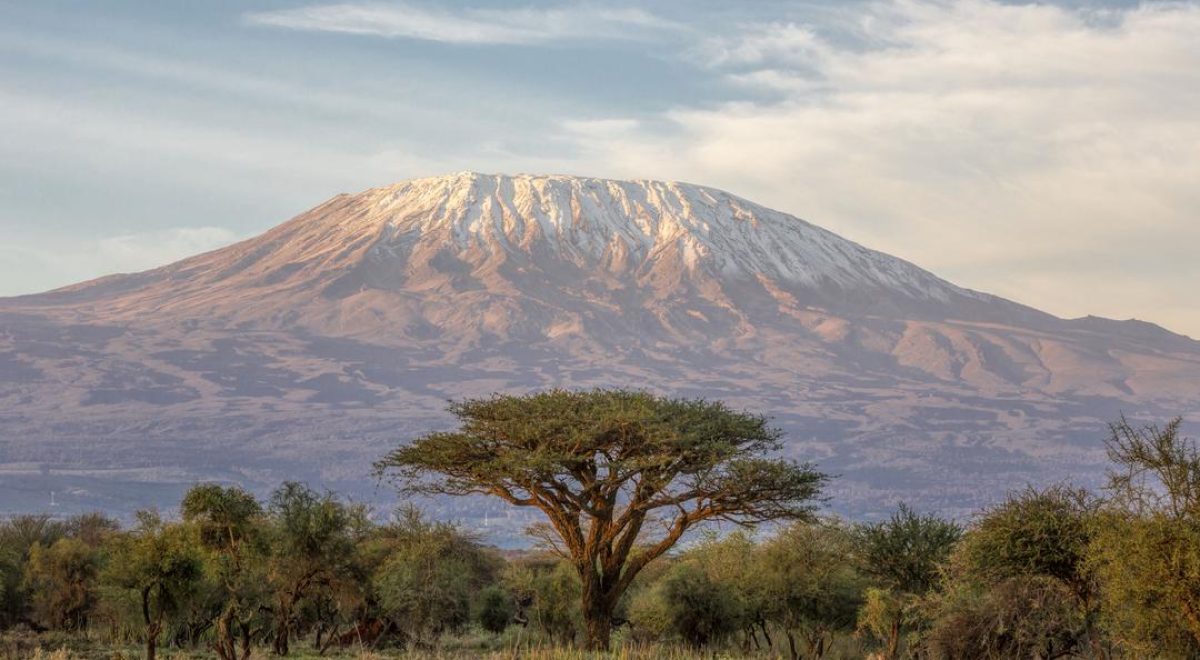
1. Source of Fresh Water
Mountains act as natural water towers, collecting rain and snow that feed rivers, lakes, and groundwater systems. Many of the world’s largest rivers originate in mountain regions, providing water for billions of people.
2. Rich Biodiversity
Mountains are home to countless species of plants and animals. Their varying climates and elevations create unique habitats that support wildlife found nowhere else on Earth.
3. Climate Regulation
Mountains influence weather patterns by affecting wind movement and rainfall distribution. Forested mountain areas also absorb carbon dioxide, helping reduce the impact of climate change.
4. Agricultural Support
Mountain regions provide fertile land for growing crops such as tea, coffee, fruits, vegetables, and grains. Many communities rely on mountain agriculture for food and income.
5. Tourism and Recreation
Mountains attract visitors for hiking, climbing, skiing, camping, and sightseeing. Tourism generates revenue and creates jobs for local communities.
6. Natural Resource Deposits
Many mountains contain valuable minerals and metals, including gold, copper, silver, iron, and gemstones. These resources support industries and economic growth.
7. Renewable Energy Production
Fast-flowing rivers that originate in mountains are ideal for hydroelectric power generation. This clean energy source helps reduce dependence on fossil fuels.
8. Prevention of Soil Erosion
Mountain vegetation helps stabilize the soil and prevents erosion caused by wind and water. This protection is important for maintaining healthy ecosystems and farmland.
9. Flood Control
Mountain forests absorb rainfall and slow the movement of water, reducing the risk of flooding in nearby valleys and lowland areas.
10. Cultural and Spiritual Importance
Many mountains are considered sacred and hold deep cultural significance. They have inspired traditions, beliefs, stories, and religious practices for centuries.
11. Scientific Research Opportunities
Scientists study mountains to understand geology, climate change, ecosystems, and natural processes. Mountain research contributes valuable knowledge about the planet.
12. Economic Development
Mountains support local economies through agriculture, mining, tourism, forestry, and energy production. These activities provide employment and improve living standards.
13. Natural Beauty and Inspiration
Mountains are among the most beautiful landscapes on Earth. Their majestic peaks, forests, rivers, and valleys inspire artists, photographers, writers, and nature lovers around the world.
13 Benefits of Mountains