
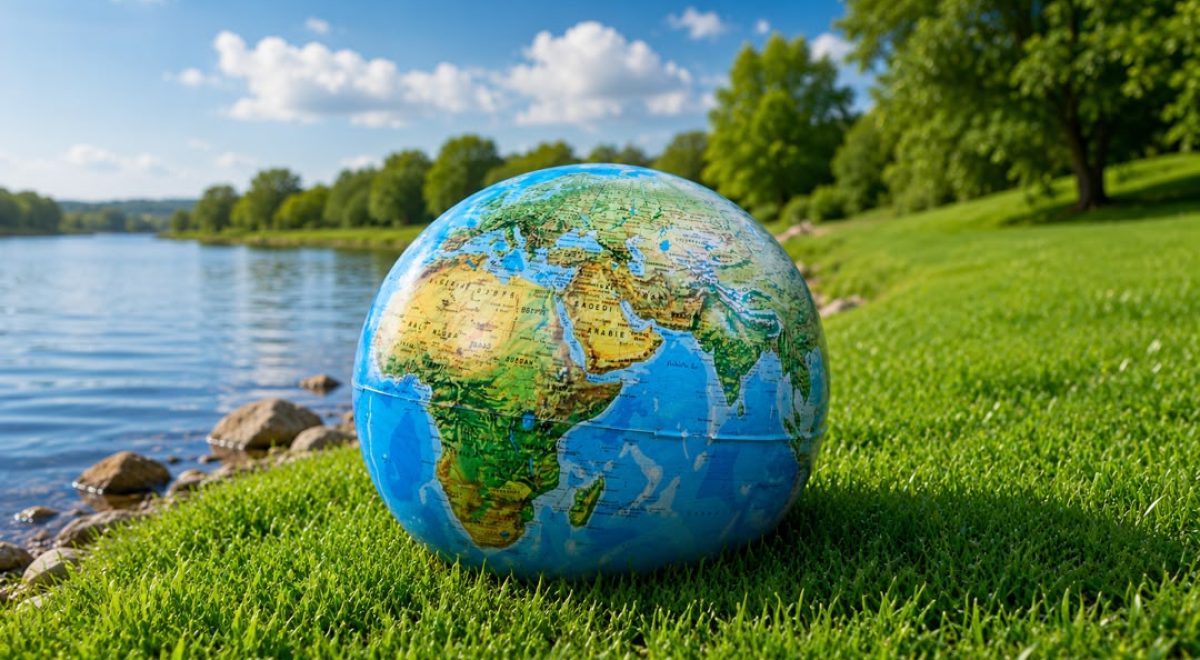
1. Earth as the Foundation of Life
Earth is the only known planet that supports life. It provides the perfect combination of air, water, sunlight, and suitable temperatures needed for living organisms to survive. Humans, animals, and plants all depend on Earth’s natural systems for their existence. Without Earth’s unique environment, life as we know it would not be possible.
2. Source of Food Production
The Earth’s soil is essential for agriculture and food production. Farmers grow crops such as wheat, rice, corn, fruits, and vegetables in fertile land. Healthy soil contains nutrients that plants need to grow, ensuring a stable food supply for billions of people around the world.
3. Provider of Fresh Water
Earth stores and circulates freshwater through rivers, lakes, groundwater, and rainfall. Fresh water is necessary for drinking, cooking, farming, sanitation, and industrial activities. Protecting water resources is vital for maintaining healthy communities and ecosystems.
4. Habitat for Biodiversity
Earth is home to millions of species of plants, animals, insects, and microorganisms. These living organisms form complex ecosystems that help maintain ecological balance. Biodiversity supports food chains, pollination, soil fertility, and natural resilience against environmental changes.
5. Source of Natural Resources
The Earth provides valuable natural resources such as minerals, metals, oil, natural gas, and timber. These resources are used in construction, manufacturing, transportation, and technology. Responsible management of natural resources helps ensure long-term sustainability.
6. Climate Regulation
Earth’s atmosphere helps regulate temperature and climate, making the planet habitable. Forests, oceans, and vegetation absorb carbon dioxide and help control global temperatures. A stable climate supports agriculture, wildlife, and human well-being.
7. Support for Economic Development
Many industries depend directly on Earth’s resources. Agriculture, mining, fishing, forestry, and tourism create jobs and contribute to economic growth. The natural environment provides opportunities for businesses and livelihoods worldwide.
8. Protection Through Natural Ecosystems
Natural ecosystems such as forests, wetlands, and mangroves protect people from environmental hazards. They reduce flooding, prevent soil erosion, improve water quality, and act as barriers against storms and strong winds. These ecosystems are essential for disaster prevention.
9. Space for Human Settlement
The Earth provides land where people build homes, schools, hospitals, roads, and cities. Safe and productive land is necessary for human development and social progress. Urban and rural communities rely on stable land resources for growth and prosperity.
10. Contribution to Human Health
Nature offers many benefits that improve physical and mental health. Clean air, fresh water, nutritious food, and green spaces help people live healthier lives. Many medicines are also derived from plants and natural compounds found on Earth.
11. Educational and Scientific Value
The Earth serves as a natural laboratory for learning and discovery. Scientists study geology, biology, climate, and ecosystems to better understand our planet. This knowledge helps solve environmental challenges and supports technological advancement.
12. Cultural and Recreational Importance
Earth’s landscapes, mountains, forests, deserts, and oceans inspire cultures, traditions, and recreation. Natural environments provide opportunities for travel, exploration, sports, and relaxation. They also strengthen people’s connection to nature and promote environmental awareness.
Conclusion
The Earth is the foundation of all life and human progress. It provides food, water, resources, shelter, and environmental stability. Protecting the Earth through sustainable practices is essential for ensuring a healthy and prosperous future for generations to come.
The Importance of Earth