
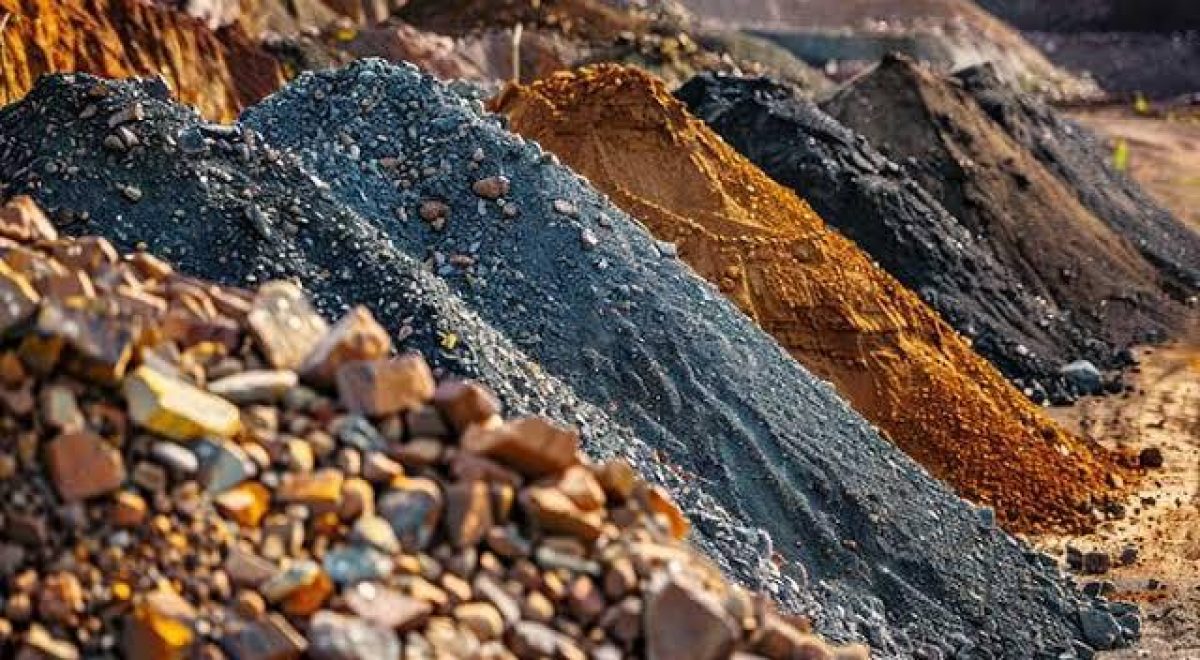
1. Introduction to Earth Minerals
Earth minerals are naturally occurring substances found in the Earth’s crust. They are formed through geological processes over millions of years and play a vital role in modern civilization. Minerals are used in construction, manufacturing, technology, agriculture, and energy production. Without minerals, many of the products and services we rely on daily would not exist.
2. Metallic Minerals
Metallic minerals contain valuable metals that can be extracted and processed for industrial use. Examples include iron, copper, gold, silver, and aluminum. These minerals are essential for building infrastructure, vehicles, machinery, and electronic devices. Metallic minerals are among the most economically important natural resources on Earth.
3. Non-Metallic Minerals
Non-metallic minerals do not contain metal elements in significant amounts. Common examples include limestone, gypsum, salt, and quartz. These minerals are widely used in construction, cement production, glass manufacturing, and chemical industries. They are crucial for supporting everyday human activities.
4. Energy Minerals
Energy minerals are resources used to generate power and fuel economic development. Examples include coal, uranium, natural gas, and petroleum-related deposits. These minerals provide energy for transportation, electricity generation, and industrial processes. Despite the growth of renewable energy, energy minerals remain important worldwide.
5. Iron Ore
Iron ore is one of the most abundant and valuable minerals on Earth. It serves as the primary source of iron used in steel production. Steel is essential for constructing buildings, bridges, railways, ships, and automobiles. The strength and durability of steel make iron ore a cornerstone of modern development.
6. Copper Minerals
Copper is a highly conductive metal used in electrical wiring, electronics, telecommunications, and renewable energy systems. Copper minerals are mined worldwide and are increasingly important due to the growing demand for electric vehicles and green technologies. Its excellent conductivity makes it indispensable in modern infrastructure.
7. Gold Deposits
Gold is a precious mineral valued for its beauty, rarity, and resistance to corrosion. It is used in jewelry, investment markets, electronics, and medical equipment. Throughout history, gold has been considered a symbol of wealth and economic stability. Many countries maintain gold reserves as part of their financial systems.
8. Silver Resources
Silver is another precious mineral with both decorative and industrial uses. It is commonly used in jewelry, solar panels, batteries, electronics, and medical applications. Silver’s unique properties, including high electrical conductivity, make it highly valuable in advanced technologies.
9. Aluminum and Bauxite
Aluminum is extracted primarily from bauxite ore. It is lightweight, corrosion-resistant, and widely used in transportation, construction, and packaging industries. Airplanes, automobiles, beverage cans, and household products often rely on aluminum because of its versatility and durability.
10. Limestone
Limestone is a sedimentary mineral resource composed mainly of calcium carbonate. It is a key ingredient in cement and concrete production. Limestone is also used in agriculture to improve soil quality and in industrial processes to neutralize acidic substances. It is one of the most widely used non-metallic minerals.
11. Quartz
Quartz is one of the most common minerals found in the Earth’s crust. It is used in glass production, electronics, watches, and construction materials. Due to its durability and resistance to weathering, quartz has become a critical component in both traditional and high-tech industries.
12. Gemstones
Gemstones are rare and valuable minerals prized for their beauty and durability. Examples include diamonds, rubies, sapphires, and emeralds. These minerals are mainly used in jewelry but also have industrial applications. Diamonds, for instance, are used in cutting and drilling equipment because of their extreme hardness.
13. Rare Earth Minerals
Rare earth minerals consist of a group of elements essential for advanced technology. They are used in smartphones, computers, electric vehicles, wind turbines, and military equipment. As global demand for technology increases, rare earth minerals have become strategically important resources.
14. Environmental Impact of Mining
Mining activities provide essential resources but can also affect the environment. Land degradation, water pollution, habitat destruction, and air contamination are common challenges associated with mineral extraction. Sustainable mining practices and environmental regulations are necessary to minimize these impacts and protect ecosystems.
15. The Future of Mineral Resources
The future of mineral resources will be shaped by technological innovation, population growth, and environmental concerns. As demand for clean energy and digital technologies increases, the need for critical minerals will continue to grow. Recycling, sustainable mining, and resource management will play key roles in ensuring that mineral resources remain available for future generations.
Conclusion
Earth minerals are generally divided into three major categories: Metallic Minerals, Non-Metallic Minerals, and Energy Minerals. Together, they support economic growth, technological advancement, and modern lifestyles. Understanding their importance helps us appreciate the need for responsible resource management and sustainable development.
Earth Minerals