
1. Meaning of International Trade
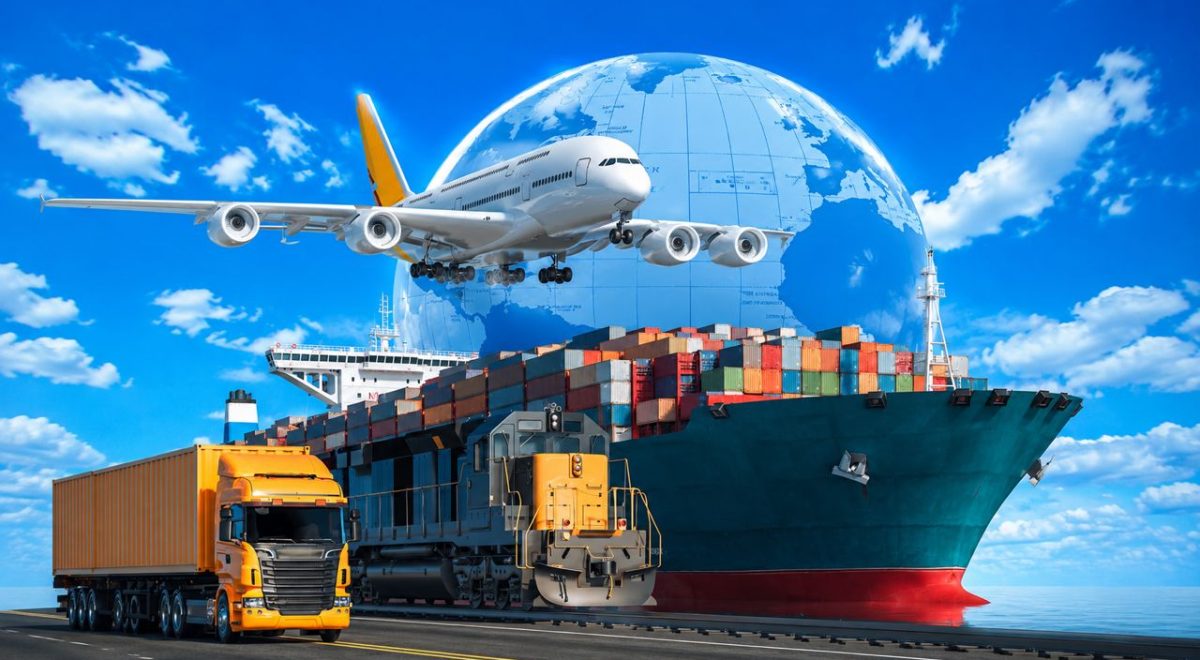
International trade refers to the exchange of goods and services between different countries. It includes exporting and importing products across oceans, air routes, and land borders.
2. Importance of International Trade
It helps countries grow economically, creates employment opportunities, and allows nations to access products they cannot produce locally.
3. Exporting Goods
Exporting means selling goods and services to other countries. For example, a country may export livestock, minerals, or agricultural products to global markets.
4. Importing Goods
Importing is bringing goods from other countries that are not produced locally, such as electronics, machinery, or fuel.
5. Transport Routes in Global Trade
International trade depends on:
- Sea transport (shipping)
- Air transport (air cargo)
- Land transport (road and rail)
Sea transport is the most widely used for large shipments.
6. Role of Ports
Ports are key centers of international trade where goods are loaded and unloaded from ships. They connect countries and facilitate global commerce.
7. Transportation Costs
Shipping and logistics costs affect the final price of goods. Higher transport costs make products more expensive in the market.
8. Tariffs and Taxes
Governments impose tariffs on imported goods to protect local industries and generate national revenue.
9. International Trade Organizations
Organizations such as World Trade Organization regulate global trade rules, resolve disputes, and promote fair trade between countries.
10. Global Markets
Countries sell their products in international markets across Asia, Europe, Africa, and the Americas to reach more consumers and increase profits.
11. Product Quality Standards
To compete globally, goods must meet international quality standards, safety rules, and customer expectations.
12. Exchange Rates
Currency exchange rates affect trade. A strong or weak currency can influence import and export prices significantly.
13. Technology in Trade
Modern technology like the internet, tracking systems, and e-commerce platforms has made international trade faster, easier, and more efficient.
14. Challenges of International Trade
Some major challenges include:
- Political conflicts
- High tariffs
- Transport delays
- Economic instability
- Currency fluctuations
15. Benefits of International Trade
International trade leads to:
- Economic growth
- Job creation
- Access to a variety of goods
- Stronger global relationships between countries
International Trade & Global Connectivity