


1. Meaning of Energy
Energy is the ability to perform work or cause change in an object or system. For example, a moving car or a burning lamp both use energy to function.
2. Types of Energy
Energy exists in many forms, including:
- Kinetic energy
- Potential energy
- Thermal energy
- Electrical energy
- Chemical energy
- Light energy
Each type plays a different role in nature and daily life.
3. Kinetic Energy
Kinetic energy is the energy of motion. Any object that is moving has kinetic energy, such as a running person, moving car, or flowing river. It depends on mass and speed.
4. Potential Energy
Potential energy is stored energy that an object has due to its position or state. For example, water stored in a dam or a stretched rubber band contains potential energy.
5. Electrical Energy
Electrical energy is the energy carried by electric currents. It powers homes, industries, computers, and most modern technology.
6. Thermal (Heat) Energy
Thermal energy is the energy produced by heat. It comes from sources like the sun, fire, and heated objects. The higher the temperature, the more thermal energy an object has.
7. Chemical Energy
Chemical energy is stored in substances like food, fuel, and batteries. It is released during chemical reactions, such as digestion or burning fuel.
8. Light Energy
Light energy comes from sources like the sun and electric bulbs. It is important for vision, plant growth, and many natural processes.
9. Energy Transformation
Energy can change from one form to another. For example:
- Battery → electrical energy → light energy (flashlight)
- Food → chemical energy → movement (human body)
10. Sources of Energy
Energy comes from different natural and artificial sources:
- Sun (solar energy)
- Wind
- Water (hydropower)
- Fossil fuels (coal, oil, gas)
- Biomass (plants and organic matter)
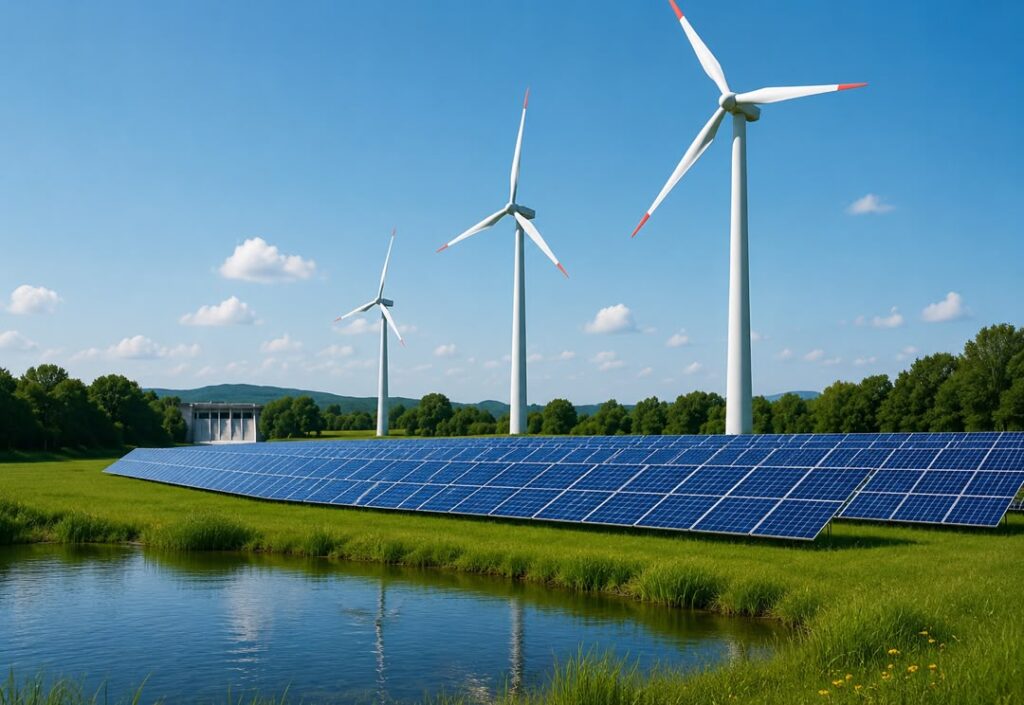
11. Renewable Energy
Renewable energy is energy that never runs out and is environmentally friendly. Examples include:
- Solar energy
- Wind energy
- Hydropower
These are important for a sustainable future.
12. Importance of Energy in Life
Energy is essential in every aspect of life:
- It powers transportation
- It supports industries and businesses
- It provides electricity for homes
- It is necessary for human survival and growth
Conclusion
Energy is the foundation of all natural and human activities. Understanding its types and uses helps us use resources wisely and protect the environment for future generations.
Power of Energy