


1. Introduction
Industries are the backbone of every country’s economic development. They transform raw materials into valuable products and services, create employment opportunities, increase productivity, and support both domestic and international trade. Nations with strong industrial sectors generally experience sustainable economic growth, higher living standards, and greater financial stability.
2. What Is an Industry?
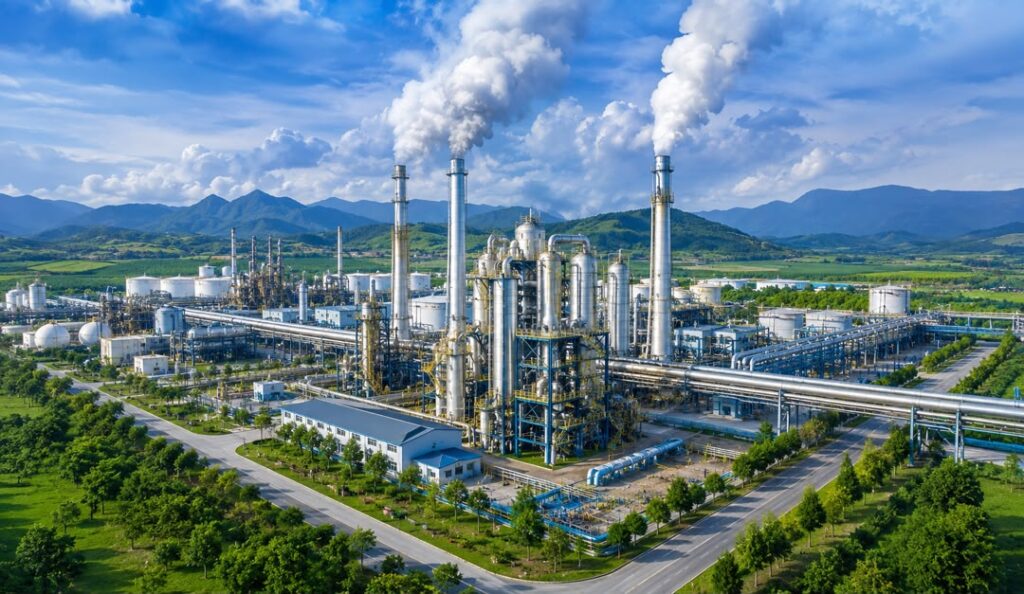
An industry is a sector of the economy that produces goods or provides services by utilizing labor, machinery, technology, capital, and raw materials. Industries play a vital role in meeting consumer demands while contributing significantly to national income and economic progress.
3. Types of Industries
Industries can be classified into several major categories, including:
- Manufacturing Industry
- Food and Beverage Industry
- Construction Industry
- Energy Industry
- Mining Industry
- Pharmaceutical Industry
- Textile and Apparel Industry
- Technology Industry
- Chemical Industry
- Automotive Industry
Each industry contributes uniquely to economic development and job creation.
4. Importance of Industries
Industries are essential because they:
- Create employment opportunities.
- Increase national income.
- Boost exports and foreign exchange earnings.
- Encourage innovation and technological advancement.
- Reduce dependence on imported products.
- Improve the overall standard of living.
- Strengthen economic resilience and competitiveness.
5. How Industries Operate
The industrial production process generally follows these stages:
- Sourcing raw materials.
- Product design and development.
- Manufacturing or production.
- Quality inspection and testing.
- Packaging.
- Storage and inventory management.
- Marketing and distribution.
Efficient planning and management improve productivity, reduce costs, and maximize profitability.
6. Technology in Industries
Modern technology has revolutionized industrial operations. Artificial Intelligence (AI), robotics, automation, the Internet of Things (IoT), and data analytics have significantly improved efficiency, product quality, and operational accuracy while reducing production costs and human error.
7. Industries and Economic Growth
Industries are major contributors to a country’s Gross Domestic Product (GDP). They stimulate investment, increase exports, generate tax revenue, encourage entrepreneurship, and create millions of direct and indirect employment opportunities, making them key drivers of long-term economic growth.
8. Challenges Facing Industries
Despite their importance, industries face numerous challenges, including:
- High energy and electricity costs.
- Inflation and rising production expenses.
- Shortage of skilled labor.
- Intense global competition.
- Supply chain disruptions.
- Changing consumer preferences.
- Regulatory compliance requirements.
- Environmental and climate-related issues.
Overcoming these challenges requires innovation, strategic planning, and continuous investment.
9. Industries and Environmental Sustainability
Industrial activities can impact the environment through pollution, waste generation, and greenhouse gas emissions. Sustainable industrial practices such as renewable energy adoption, recycling, efficient resource management, and environmentally friendly manufacturing processes are essential for protecting natural resources and ensuring long-term sustainability.
10. Future Opportunities in Industries
Emerging technologies are shaping the future of industries. Promising areas include:
- Artificial Intelligence (AI)
- Robotics and Automation
- Renewable Energy
- Electric Vehicles (EVs)
- 3D Printing
- Smart Manufacturing
- Biotechnology
- Digital Transformation
These sectors are expected to create new markets, increase productivity, and generate millions of future jobs.
11. Industrial Development in Somalia
Somalia has significant industrial potential due to its abundant natural resources. Key sectors with strong growth opportunities include:
- Livestock Processing
- Fisheries
- Agriculture
- Sesame Production
- Honey Processing
- Dairy Industry
- Salt Production
- Construction Materials
With improved infrastructure, reliable electricity, investment, and political stability, Somalia’s industrial sector could become a major contributor to national economic development.
12. How to Start an Industry
Launching a successful industrial business involves several important steps:
- Conduct comprehensive market research.
- Develop a detailed business plan.
- Secure adequate financing.
- Choose a strategic location.
- Invest in high-quality equipment.
- Hire skilled employees.
- Implement effective marketing strategies.
- Maintain strong financial management.
Proper planning significantly increases the likelihood of long-term success.
13. Best Practices for Industrial Success
To build a competitive and sustainable industry:
- Prioritize product quality.
- Control production costs.
- Understand customer needs.
- Invest in modern technology.
- Continuously train employees.
- Build a strong brand reputation.
- Encourage innovation.
- Deliver excellent customer service.
- Monitor market trends regularly.
These practices help businesses remain competitive in rapidly changing markets.
14. Social Impact of Industries
Industries play a crucial role in improving society by creating jobs, reducing poverty, increasing household incomes, developing workforce skills, supporting education and healthcare through tax revenues, and promoting infrastructure development such as roads, ports, electricity, and communication networks.
15. Conclusion
Industries are one of the most important pillars of economic and social development. They generate employment, increase productivity, promote innovation, strengthen exports, and improve living standards. Countries that invest in modern industries, advanced technology, skilled human resources, and sustainable practices are better positioned to achieve long-term economic prosperity and global competitiveness.
Industrial Development