
1. Bank Account Security
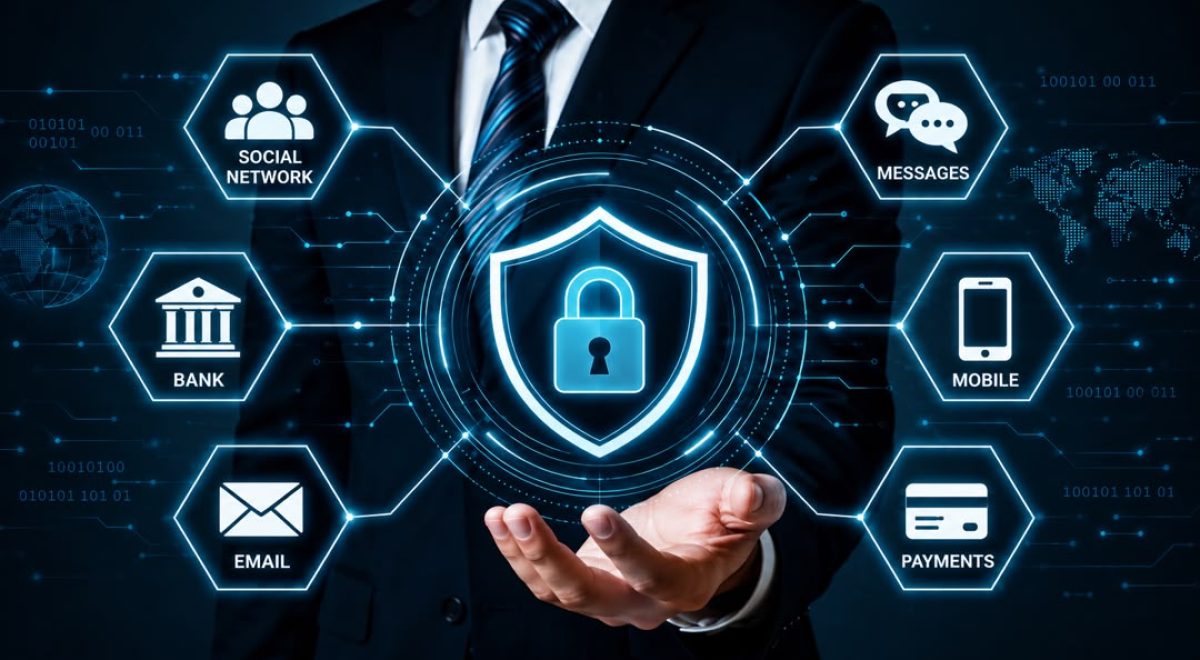
Bank account security is essential for protecting money and personal financial information. Users should create strong passwords, enable two-factor authentication (2FA), and monitor transactions regularly. Avoid sharing banking credentials with anyone and only use official banking applications.
2. Mobile Device Security
Smartphones contain sensitive information such as contacts, messages, and financial data. Protect mobile devices with strong passwords, biometric authentication, and regular software updates. Install apps only from trusted sources and avoid downloading suspicious files.
3. Social Network Security
Social networking platforms are common targets for hackers and scammers. Users should use unique passwords, enable 2FA, and review privacy settings frequently. Be cautious when accepting friend requests from unknown individuals.
4. Data Protection Fundamentals
Data protection involves safeguarding personal and organizational information from unauthorized access. Encryption, secure storage, and access control mechanisms help ensure data remains confidential and protected.
5. Strong Password Management
Strong passwords are the first line of defense against cyber threats. Passwords should contain uppercase and lowercase letters, numbers, and special characters. Avoid reusing passwords across multiple accounts.
6. Multi-Factor Authentication (MFA)
MFA provides an additional security layer beyond passwords. Even if attackers obtain login credentials, they still need a second verification method, significantly reducing the risk of unauthorized access.
7. Phishing Attack Prevention
Phishing attacks attempt to steal sensitive information through fake emails, messages, or websites. Always verify links before clicking and avoid providing personal information through unsolicited communications.
8. Secure Online Banking Practices
When accessing online banking services, use secure internet connections and avoid public Wi-Fi networks. Always log out after completing transactions and monitor account activity for suspicious behavior.
9. Mobile Application Security
Applications can introduce security risks if not properly managed. Keep apps updated, review permissions carefully, and uninstall applications that are no longer needed to minimize vulnerabilities.
10. Social Media Privacy Management
Privacy settings control who can view personal information and content. Regularly review these settings to limit exposure and reduce the risk of identity theft, stalking, and social engineering attacks.
11. Data Backup and Recovery
Regular backups ensure important information can be restored after cyberattacks, hardware failures, or accidental deletion. Store backups in secure cloud services or external storage devices.
12. Malware and Virus Protection
Malware can damage systems, steal information, or compromise security. Use reputable antivirus software, perform regular scans, and avoid opening suspicious attachments or downloads.
13. Identity Theft Prevention
Cybercriminals often target personal information to commit fraud. Protect identification details, financial records, and login credentials. Monitor accounts regularly for unusual activity.
14. Network Security Awareness
Secure networks are crucial for protecting digital communications. Use encrypted Wi-Fi connections, strong router passwords, and updated firmware to prevent unauthorized access to devices and data.
15. Security Awareness and Education
Technology alone cannot guarantee security. Users should stay informed about emerging cyber threats, security best practices, and safe online behavior. Continuous education significantly reduces the risk of successful cyberattacks.
Conclusion
Security is a critical aspect of modern digital life. By implementing strong security practices for bank accounts, mobile devices, social networks, and data management, individuals and organizations can reduce risks, protect sensitive information, and maintain a safer online environment.
Digital Security Guide